
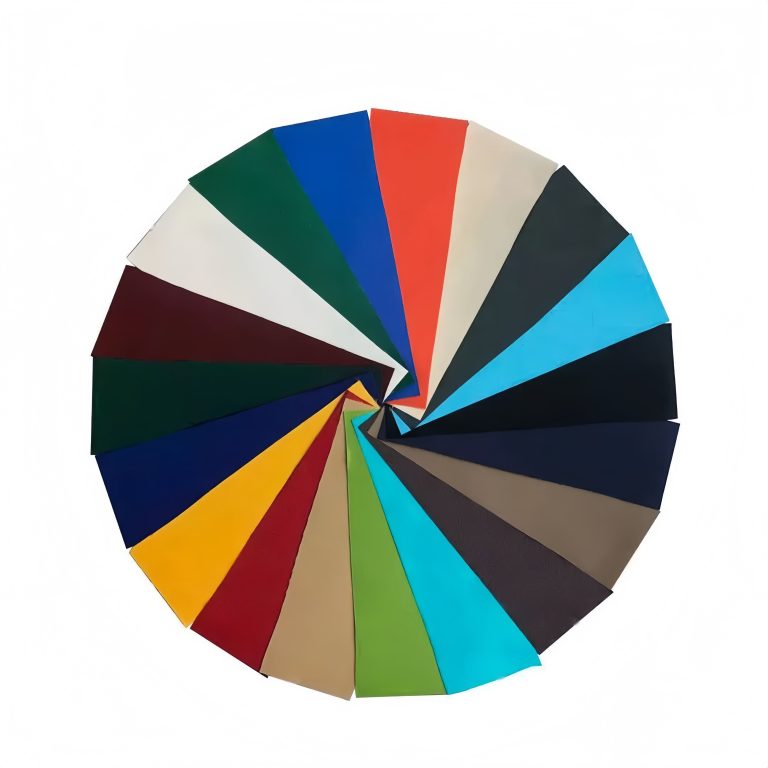
Last summer, a major U.S. resort chain replaced 2,000 patio umbrellas just six months after installation. The culprit? Navy canopies that faded to ghostly gray under relentless sun. For the Operational Scaler (Procurement Director), this resulted in $87,000 in replacement costs. For the Aesthetic Urbanist, it was a branding disaster that made a luxury space look neglected.
Table of Contents
ToggleIf you’re sourcing in bulk, fabric lightfastness isn’t a cosmetic detail—it’s a core performance metric. Understanding the Commercial Grade Durability Standards for Market Umbrellas is the first step in protecting your investment from UV degradation.
The Hidden Cost of Fading: Beyond Aesthetics
Most buyers focus on upfront unit cost. However, the real metric is cost per usable month. A “cheap” umbrella that fades in 90 days is significantly more expensive than a premium unit that lasts three seasons.
UV exposure doesn’t just leach color; it breaks down fibers at a molecular level, reducing tensile strength by up to 40%. For the Coastal Protector (Resort Manager), this leads to canopies tearing during minor gusts. To evaluate how fabric choice impacts your overall budget, see our Chinese Umbrella Manufacturing Cost and Value Analysis.
Technical Standards: Moving Beyond Marketing Fluff
In China’s manufacturing ecosystem, “UV-proof” is a vague claim. To ensure longevity, you must demand standardized testing:
- AATCC Test Method 16 / ISO 105-B02: These are the global benchmarks. For commercial use, a minimum Grade 6 is required, while Grade 7-8 is ideal for high-sun regions like Florida or the Mediterranean.
- Solution-Dying vs. Piece-Dying: Solution-dyed acrylics (where pigment is added during fiber extrusion) offer the best protection. For large-scale promotional rollouts, our Wholesale Custom Logo Straight Umbrella provides a durable canvas that maintains branding integrity.
- UPF 50+ Rating: This ensures the fabric blocks >98% of UV radiation, a critical safety feature for hospitality clients.
Matching Fabric to Your Project Scale
Depending on your specific deployment, the choice of umbrella category significantly influences fabric performance:
- For High-End Aesthetics: Heavy-Duty Cantilever Umbrellas often utilize solution-dyed fabrics to maintain the “Instagrammable” look for luxury patios.
- For Mass Distribution: Commercial Market Umbrellas (Center-Pole) benefit from 210T/230T solution-dyed polyester, offering a balance of high-volume efficiency and fade resistance.
Sourcing & Verification: The Procurement Checklist
Don’t take a supplier’s word for it. To avoid the “cheap fabric trap,” follow these steps:
- Request Batch-Specific Lab Reports: Ensure the AATCC 16 report matches the exact fabric lot you are receiving.
- Audit the Factory: Ensure your manufacturer adheres to global standards. Learn more in our BSCI Certification and Quality Control Guide.
- Pre-Production Sampling: Expose swatches to direct sunlight for 30 days before approving mass production.
The Sustainability Factor
For eco-conscious buyers, GRS-certified recycled polyester (rPET) can now achieve AATCC Grade 7 performance. By choosing high-quality, long-lasting fabrics, you reduce landfill waste and the carbon footprint associated with frequent replacement cycles.
Final Thought: Total Value Over Unit Price
A 1,350% ROI was lost by the resort chain that skipped a $3.00 fabric upgrade. In bulk procurement, “good enough” fabric will fail under the reality of Arizona sun or Dubai humidity. Treat fade resistance as a technical engineering specification—not a decorative preference.
Ready to specify fade-resistant umbrellas for your next project? Contact our sourcing team today. We will provide samples with verified AATCC test reports and a CAD-ready quote within 48 hours.


